

The Luxury of Less
June 16, 2026
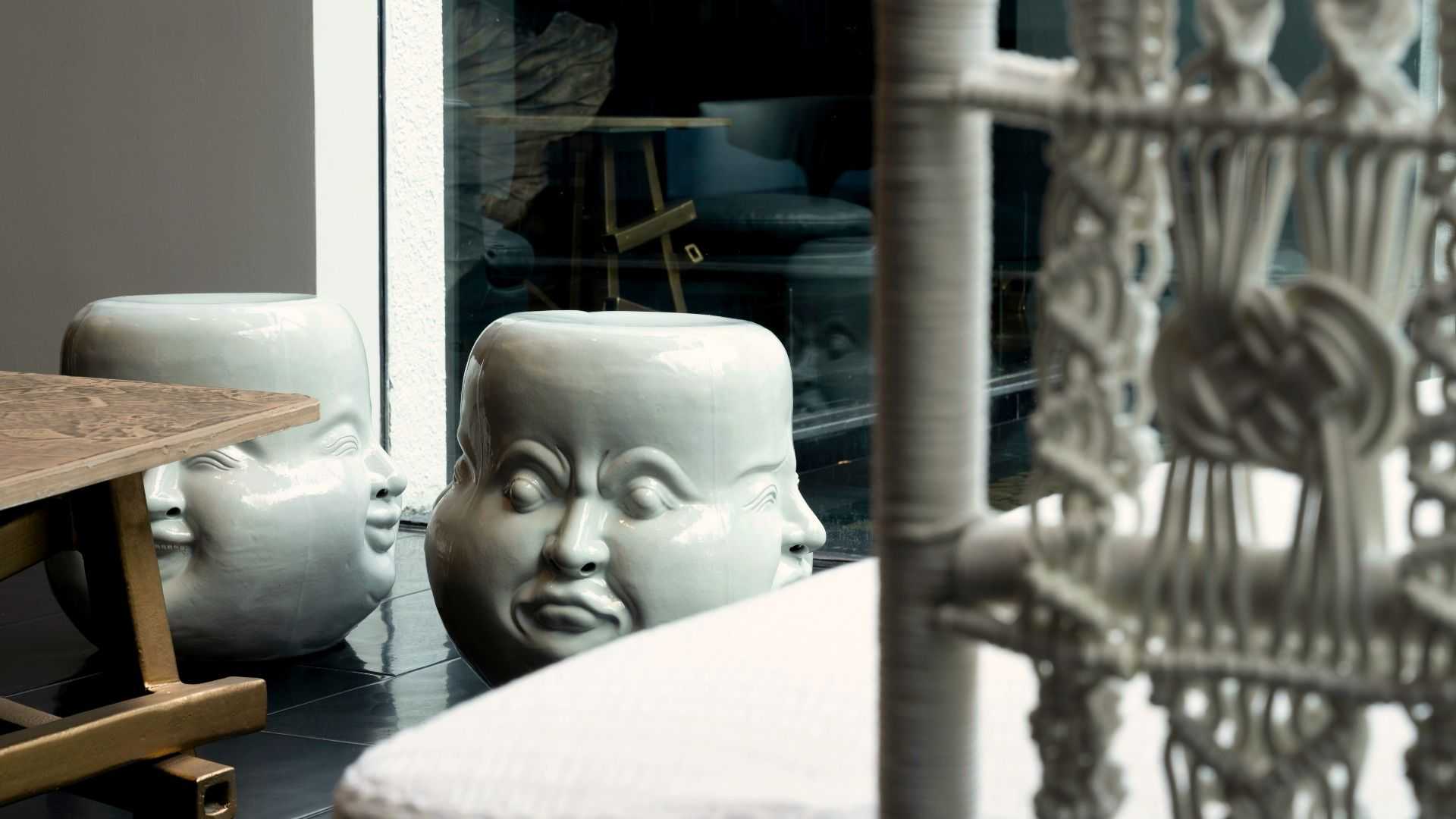
Why COMO believes the future of luxury is quieter than we think, writes Neetinder Dhillon
For much of the past decade, luxury hospitality has been in the business of spectacle. Hotels have unveiled ever larger suites, increasingly theatrical arrivals and experiences designed as much for social media as for the guests themselves. Across the world’s leading destinations, luxury has often become a performance, carefully curated and instantly shareable.
Yet beneath the industry’s race for attention, another shift may be taking place.
Travellers are returning home from more destinations than ever, yet many appear to be seeking something less tangible than grand design statements or headline-making experiences. Privacy, restoration, emotional wellbeing and a genuine sense of place are becoming increasingly valuable commodities in a world defined by constant connectivity.
It is a shift that sits at the heart of COMO Hotels and Resorts.
The reopening of COMO Metropolitan Bangkok following its redesign by Paola Navone offers a timely lens through which to examine the brand’s philosophy. While much of Bangkok’s luxury landscape has embraced increasingly expressive forms of hospitality, COMO continues to advocate a quieter approach, one rooted in clarity, restraint and emotional comfort.
“The world has become extraordinarily noisy and demanding,” says Doris Goh, Executive Vice President of Commercial, COMO Hotels and Resorts. “Many travellers today are not seeking more stimulation. They’re seeking relief from it.”
It is a compelling argument, particularly at a moment when luxury hospitality finds itself caught between two competing impulses. On one side lies visibility: the pursuit of attention through architecture, design, celebrity partnerships and experiences designed to circulate online. On the other is a growing emphasis on wellbeing, privacy and experiences that feel more personal than performative.
Whether travellers are genuinely abandoning the former remains open to debate. The appetite for highly visible luxury shows little sign of disappearing. Yet there is increasing evidence that affluent travellers are also seeking spaces that offer something different: a temporary escape from the demands of modern life rather than another stage upon which to perform it.
For COMO, that distinction appears to inform almost every aspect of the guest experience. Goh explains, “The COMO approach has always been about clarity, simplicity and intention. Every decision – from design to service – is filtered through the lens of the COMO guest. If it doesn’t flow seamlessly to enhance the guest journey, then it won’t work. Our philosophy is quietude that allows guests to reconnect with themselves with a sense of place wherever they are.”
The group speaks less about standardisation and more about principles. Rather than imposing a uniform design language across its portfolio, it aims to create hotels that reflect the culture, landscape and character of their destinations while remaining connected through a shared philosophy.
The challenge, of course, is one faced by every growing hospitality company: how do you preserve individuality at scale?
It is a question that becomes particularly relevant as COMO expands into destinations such as the Côte d’Azur and Médoc through COMO Le Beauvallon and COMO Cordeillan-Bages. Both regions are already synonymous with established notions of luxury, yet the group appears less interested in competing through spectacle than through a deeper connection to place. Whether overlooking the Gulf of Saint-Tropez or surrounded by Bordeaux’s celebrated vineyards, the emphasis remains on intimacy, wellbeing, gastronomy and a more personal style of hospitality. The properties may be very different in character, but they reflect the same belief that luxury is best expressed through emotional connection rather than visual excess.
The group is built around a different proposition, one centred on emotional connection, authenticity and a more intuitive style of service rooted in its Asian heritage. That emphasis on emotional experience extends beyond design.
Long before wellness became hospitality’s most ubiquitous buzzword, COMO had already established a reputation for integrating wellbeing into its hotels. Yet even here, the conversation is evolving. Wellness is no longer confined to spas, fitness centres or treatments. It increasingly encompasses sleep, nutrition, mental clarity, movement and the emotional impact of the environments people inhabit.
The implication is that luxury hotels may increasingly be judged not just by what they offer, but by how guests feel when they leave.
Bangkok is perhaps an unlikely place for this argument to unfold. Few cities embrace contrast quite like the Thai capital, where luxury hospitality has become increasingly expressive, ambitious and visually confident. Against that backdrop, COMO’s decision to double down on restraint feels almost countercultural. The reopening of COMO Metropolitan Bangkok is therefore more than a renovation; it is a reaffirmation of a philosophy that has become increasingly rare in contemporary hospitality.
Testing the Theory
An overnight stay at COMO Metropolitan Bangkok
The challenge with any discussion about restraint in luxury hospitality is that it can quickly become abstract. Philosophies are easy to articulate. The true measure is whether the experience actually feels different.
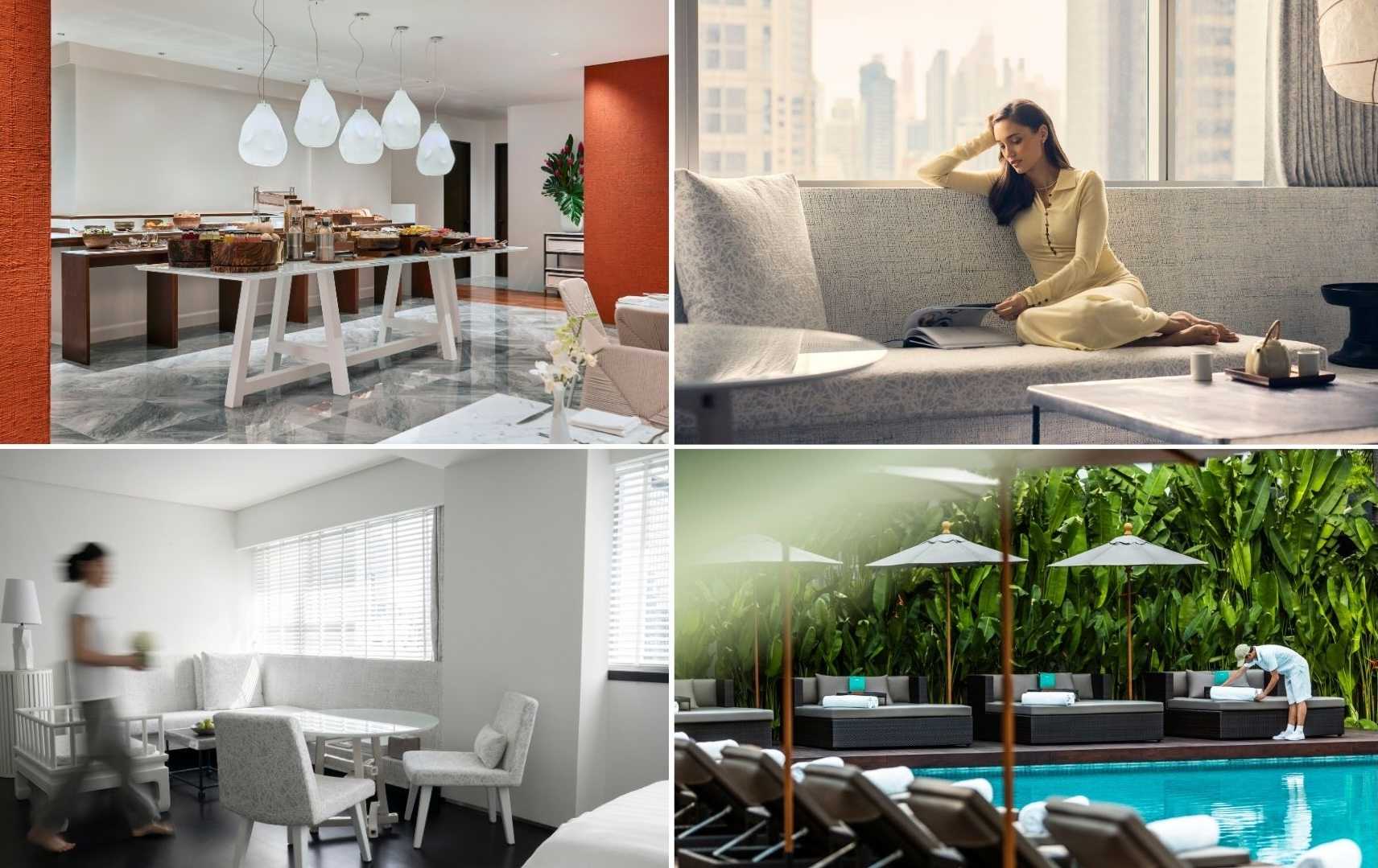
During a recent stay at COMO Metropolitan Bangkok, the contrast between the city and the hotel was immediately apparent. Outside, Sathorn moved at its usual pace. Inside, the atmosphere felt notably calmer than many contemporary luxury hotels.
Returning from Bangkok’s heat, traffic and constant movement it felt less like arriving at a hotel and more like crossing an invisible threshold. The transition was subtle but unmistakable, the lobby quiet yet welcoming. The check-in done online had made the arrival seamless. There was just the business of the welcome drink that hit the reset button.
The redesign by Paola Navone avoids obvious references to Thailand, yet still feels rooted in place through subtle details rather than overt gestures. Public spaces remain understated, favouring texture, light and proportion over visual drama.
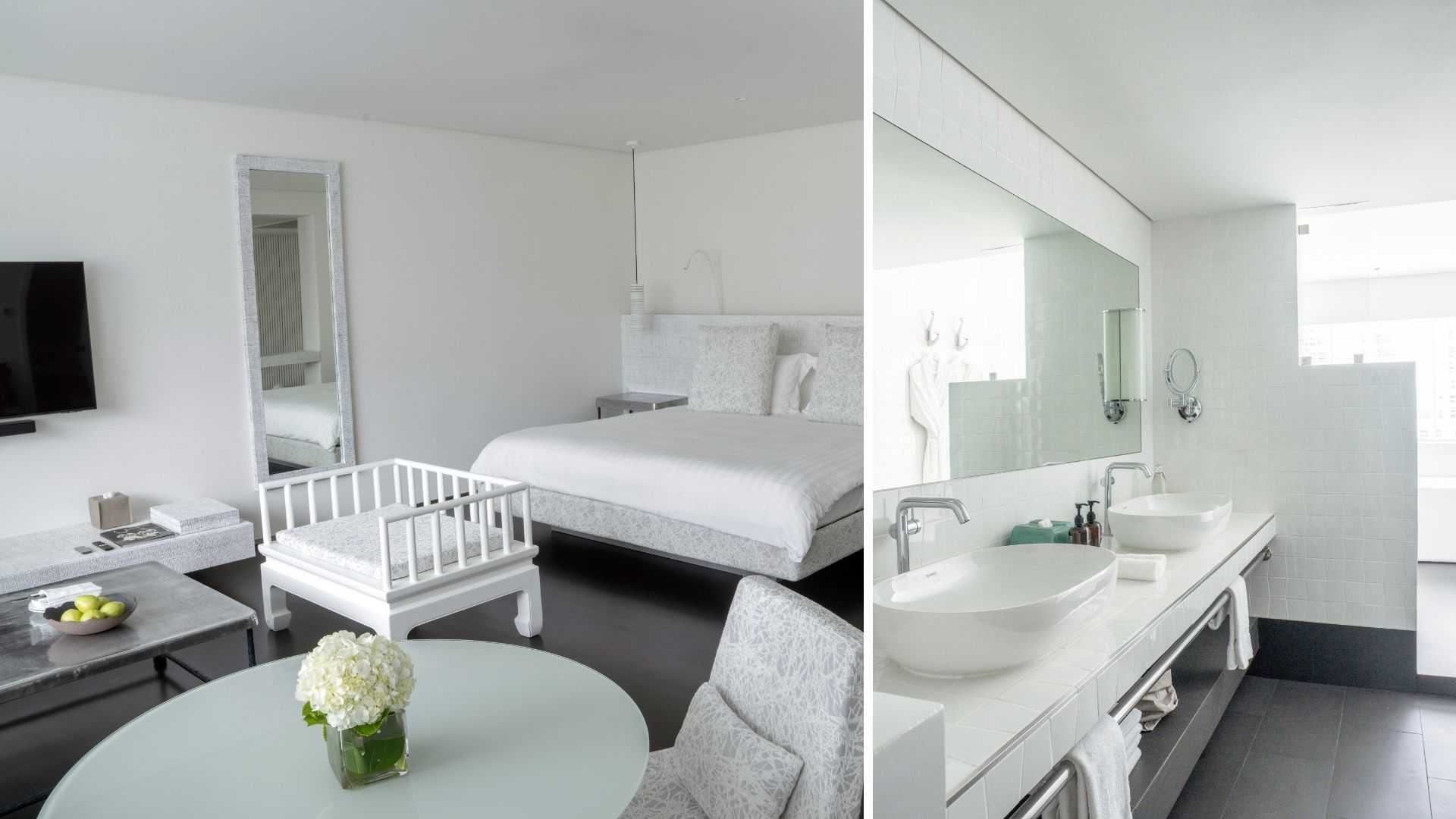
That philosophy becomes most tangible in the guestrooms. At first glance, the design appears almost monastic in its restraint, with warm white tones extending across walls, furnishings and textiles. Yet what could have felt clinical instead feels surprisingly calming. Light filters softly through the space, while dark timber floors provide contrast and grounding.
The room’s connection to Thailand is expressed through quiet details. A traditional meditation chair, retained from the hotel’s earlier design and reimagined in white, sits discreetly by the window. Nearby, a handcrafted lamp and pedestal tray offer further references to local craftsmanship. None of these elements demand attention; instead, they reveal themselves gradually, woven naturally into the overall design rather than presented as decorative statements.
Goh explains, “For us, a sense of place is not about decoration or symbolism. It’s about capturing the character and emotional texture of a destination. Today’s travellers are sophisticated; they don’t need a hotel to explain where they are through stereotypes. They want authenticity. A true sense of place can be expressed through materials, craftsmanship, light, food, service and atmosphere. It’s often the subtle cues that create the strongest connection.”
The bathroom continues the narrative. Wrapped almost entirely in white tile, it could easily have felt stark, yet the effect is unexpectedly serene. Natural light softens the space, while the freestanding bathtub and generous proportions create an atmosphere that borders on the meditative. In many luxury hotels, bathrooms are designed as showcases. Here, it feels more like a sanctuary.
What stands out most is not what has been added, but what has been deliberately left out. There are no obvious Instagram moments, no theatrical flourishes, no pressure to experience the hotel in a particular way. The experience unfolds at a slower pace, creating space for guests to settle into the rhythm of their stay.
Whether that approach represents the future of luxury remains to be seen. Yet it offers a compelling alternative to the increasingly performative nature of contemporary hospitality.
The Taste of Place
If design reveals how COMO interprets a destination visually, food offers another way of understanding the same philosophy. Across the portfolio, dining is positioned not simply as an amenity but as a means of creating emotional connection and a deeper understanding of place.
Whether through Thai cuisine in Bangkok or Michelin-starred dining in France, the objective is not merely consumption but memory.
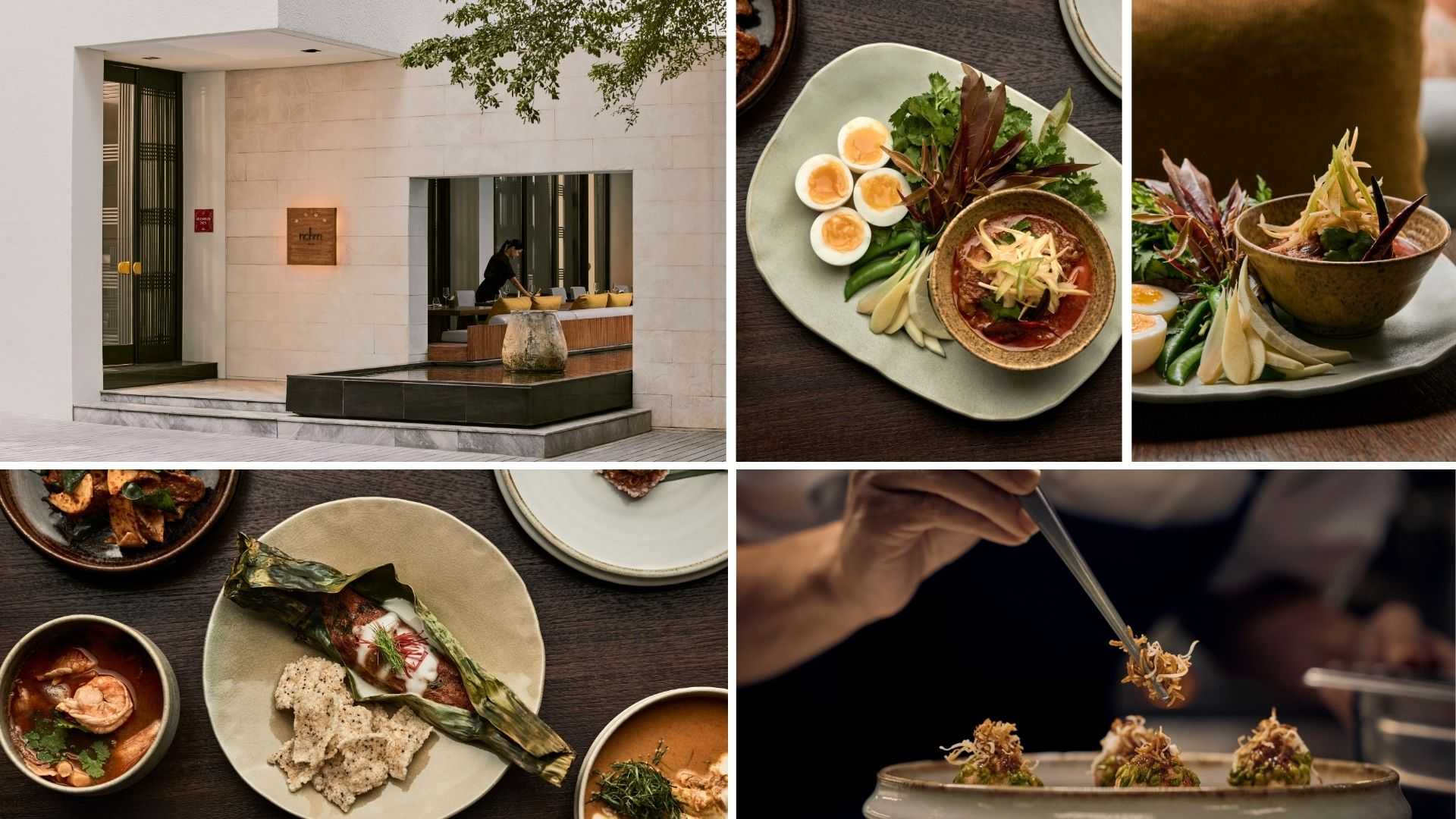
In Bangkok, the one Michelin-starred nahm, under the stewardship ofChef Pim Techamuanvivit,embodies that philosophy. The cuisine is deeply rooted in Thai culinary tradition yet reflects the confidence of contemporary Thai cooking. Dishes such as miang of river prawn and herbs served on betel leaf, richly spiced lamb curry folded into delicate Thai crêpes, and southern-style crab curry demonstrate a kitchen that honours the complexity of tradition while presenting it with a sense of restraint.
Much like the hotel itself, the experience feels distinctly Thai without resorting to nostalgia or obvious cultural signifiers, offering instead a more nuanced expression of where Thai cuisine stands today.
Perhaps the most striking aspect of COMO’s philosophy, however, is its apparent indifference to the language of content creation that now permeates much of the travel industry. Some experiences, the brand argues, are more valuable precisely because they are private. In a world where visibility has become constant, discretion itself begins to feel luxurious.
That may prove to be one of the most interesting shifts currently taking place in hospitality. Travellers are not rejecting luxury. If anything, they are seeking it more intentionally than ever before. What appears to be changing is the purpose it serves.
For years, luxury was closely tied to visibility. The finest suite, the best table, the destination everyone wanted to visit. Increasingly, however, travellers seem to be valuing something less tangible: calm, privacy, restoration and the freedom to disconnect.
The real question may not be whether travellers want less. It may be whether, in an increasingly noisy world, the most valuable luxury is simply finding somewhere that asks nothing of them at all.
Further Reading:The complete conversation with Doris Goh, Executive Vice President of Commercial, COMO Hotels and Resorts, including insights into the reopening of COMO Metropolitan Bangkok, the evolution of wellness hospitality and the group’s expansion into France, is available on our Substack HERE.