Vilnius: Where Sleep Finds You
April 17, 2026
Why Vilniusis emerging as Europe’s most restorative city break, where green spaces, calmer evenings, and walkable streets are redefining the way we travel.
There was a time when the ultimate city escape meant late nights, packed itineraries, and a list of restaurants impossible to finish in one trip. Now, the definition of luxury is changing.
Today’s travellers are seeking something quieter: deeper sleep, calmer surroundings, and the rare feeling of returning home more restored than when they left. In a world of endless notifications, overstimulation, and urban intensity, rest itself has become the destination.
Welcome to the rise of sleep tourism.
Once considered a niche corner of wellness travel, sleep tourism is fast becoming one of the most compelling shifts in global travel culture. Increasingly, holidays are being chosen not simply for where they are, but for how they make the body and mind feel.
And right now, one European capital is leading that conversation: Vilnius.
Travel designed around restoration
Sleep tourism is exactly what it sounds like: journeys built around better rest. But this goes beyond hotel pillow menus and lavender-scented spa rituals. The real luxury lies in the wider environment – clean air, open skies, walkable streets, green spaces, and evenings that gently quiet down instead of keeping the nervous system switched on.
In other words, the city itself becomes part of the sleep experience.
According to leading neuroscientist and sleep researcher Dr Laura Bojarskaitė, the most rest-friendly destinations tend to share a distinct set of qualities: visible sky, integrated greenery, reduced cognitive stress, and urban rhythms that support circadian balance.
These details may seem subtle, but together they shape how well we sleep.
Why cities matter to how we rest
Good sleep begins long before bedtime. A city that feels easy to navigate reduces cognitive load throughout the day. Less time spent battling traffic, problem-solving routes, or processing constant noise means the brain arrives at evening with lower levels of arousal.
Walkability plays an equally important role. Cities that encourage movement naturally increase what sleep experts refer to as sleep pressure – the body’s physiological drive to rest. Daytime walking, exposure to natural light, and gentle physical movement all help regulate circadian rhythm and support deeper sleep later on.
Then comes the atmosphere after dark.
When a city softens after sunset – quieter streets, less visual stimulation, fewer environmental stressors – the body receives the cues it needs to shift from alertness into restoration.
Luxury, in this context, is not excess. It is biological ease.
Why Vilnius stands out
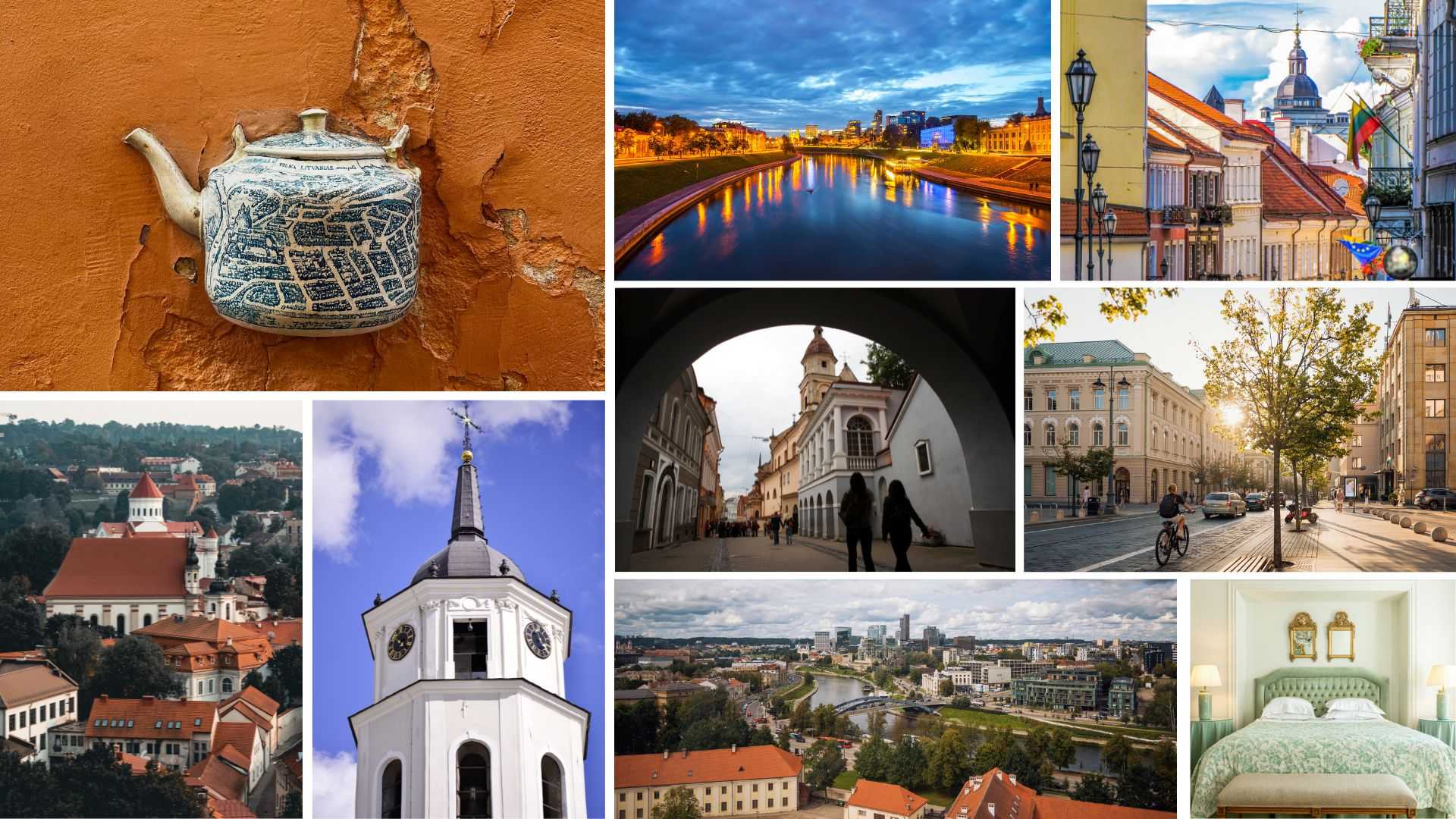
Few cities embody this idea quite like Vilnius. Frequently recognised for its clean air, green urban planning, and walkable design, the Lithuanian capital offers a rare sense of spaciousness for a European city break.
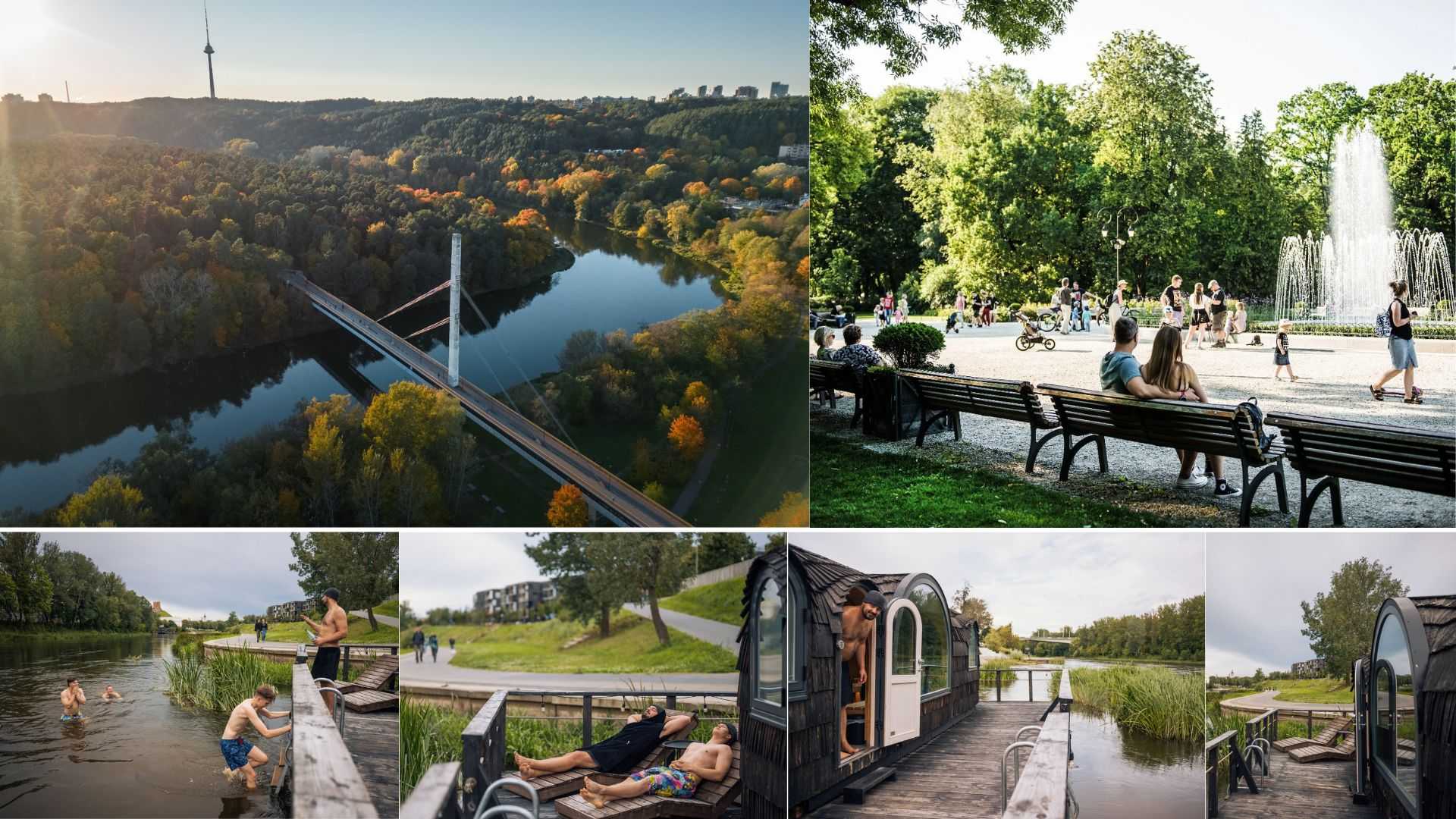
More than 60 per cent of the city is made up of green space, creating a landscape where nature is not separate from urban life but deeply woven into it. Parks, rivers, forest trails, and open-air spaces are all within easy reach, allowing visitors to move seamlessly between culture and calm.
Its compact layout only adds to the appeal.
The UNESCO-listed Old Town is designed for wandering rather than rushing, inviting visitors to spend long hours on foot through cobbled streets, riverside walks, and leafy neighbourhoods. And by evening, the city seems to exhale.
Cooler nighttime temperatures, lower light pollution, and calmer streets create the kind of setting that allows the mind to slow naturally.
For travellers who spend much of their everyday lives in overstimulating environments, that contrast feels increasingly precious.
The future of travel may be quieter
What makes sleep tourism so relevant right now is that it mirrors a larger cultural shift. Travel is becoming less about volume and more about intention. Rather than asking what they can fit into a trip, travellers are beginning to ask how they want to feel when it ends.
Do they want excitement? Discovery? Escape? Or do they want to come back rested? For an increasing number of travellers, the answer is the latter. And that may be why cities like Vilnius are becoming so compelling.
Because sometimes the most memorable journey is the one that lets you sleep better than you have in months.
Where to Stay in Vilnius – A Front Row edit
NARUTIS Hotel
Front Row Pick:*Best for History*
Set along Pilies Street in the heart of Vilnius Old Town, NARUTIS Hotel carries the quiet weight of history. Spread across a cluster of 16th-century buildings, its interiors retain original frescoes, Gothic cellars, and a sense of time gently unfolding rather than standing still. There is an intimacy to the experience here – less about spectacle, more about atmosphere – where mornings begin with soft light over cobbled streets and evenings settle into a calm that feels entirely in step with the rhythm of the city.
Website: www.narutis.com
Location: Old Town, Pilies Street
Hotel Pacai
Front Row Pick:*Best for Design*
Housed within a Baroque mansion once belonging to the noble Pacai family, Hotel Pacai offers a more contemporary interpretation of heritage. The design moves between past and present with confidence – grand architectural bones offset by restrained, modern interiors. There is a quiet precision to the experience, from its central courtyard to its thoughtfully composed spaces, making it feel both polished and personal. It is the kind of place that understands luxury as balance rather than excess.
Website: www.hotelpacai.com
Location: Old Town, Didžioji Street
Hotel Vilnia
Front Row Pick:*Best for Nature Access*
Overlooking the greenery that borders the Old Town, Hotel Vilnia brings a lighter, more relaxed energy to the city stay. Set in a former 19th-century building, its design leans contemporary, with clean lines, natural tones, and a sense of openness that reflects its surroundings. With immediate access to parkland and walking paths, it offers a seamless connection between city and nature – a setting that encourages slow mornings, unhurried exploration, and evenings that feel easy rather than overstimulated.
Website: www.hotelvilnia.lt
Location: Near Bernardine Park