When Fabric Steps Back and Fashion Steps Forward
January 15, 2026
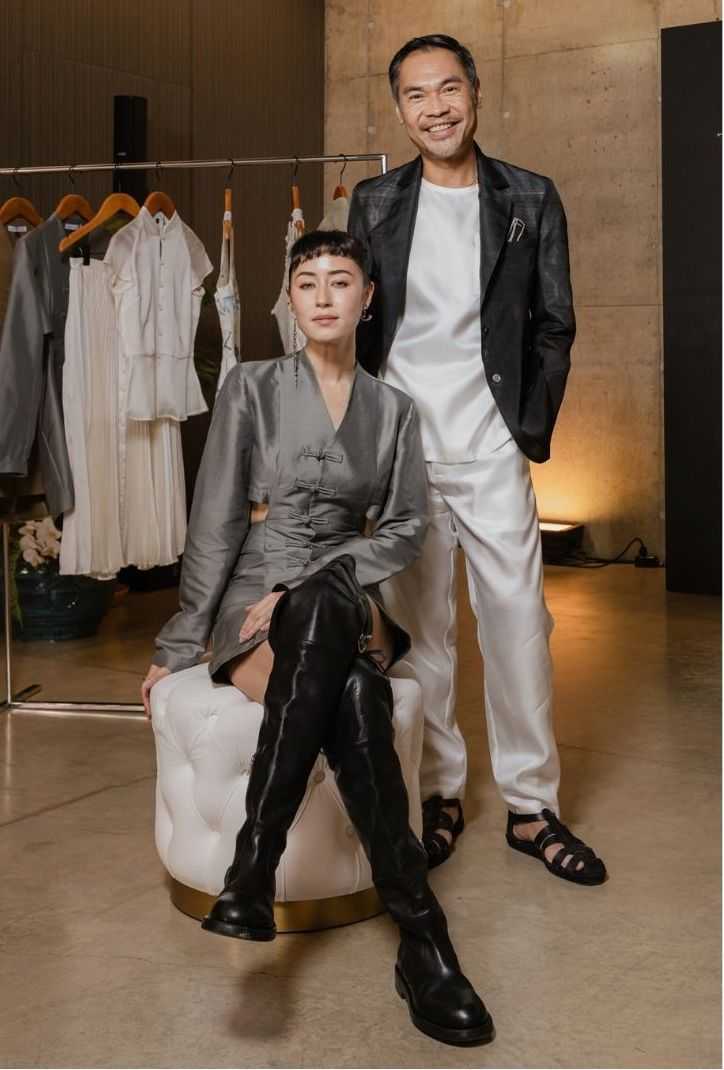
Quiet leadership, clear intent: Lisa Von Tang and Be Inthavong, pictured at the intersection of design authorship and creative restraint
There comes a point when a brand no longer needs to explain itself. It simply acts.
The Lisa Von Tang x Jim Thompson collaboration feels like that moment.
Jim Thompson has spoken the language of textiles for decades. Pattern, surface and heritage have long been its starting point. With Lisa Von Tang, something fundamental shifts. The hierarchy changes. Fabric still matters, but it no longer leads the conversation. Cut does. Proportion does. Restraint does.
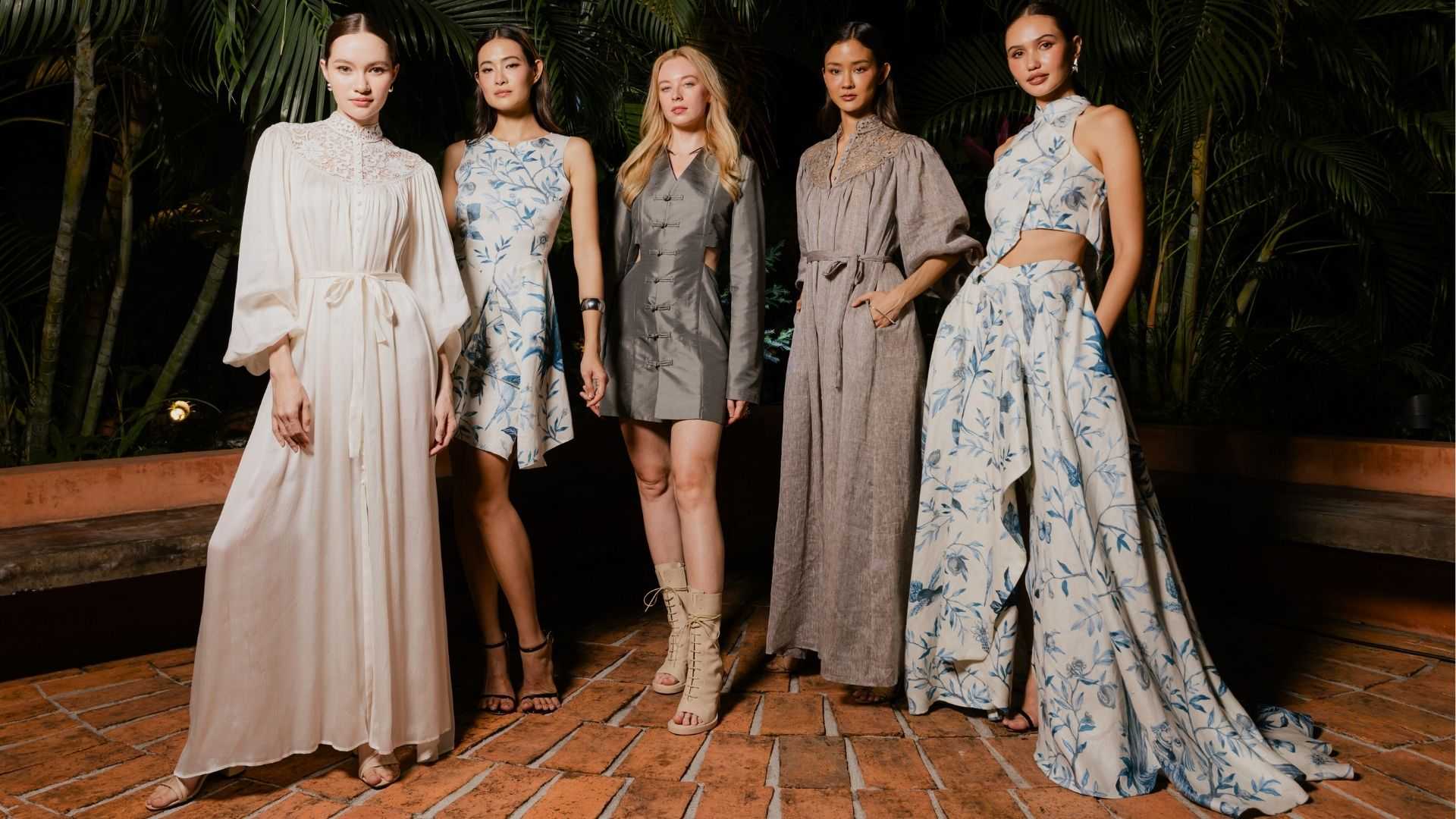
Billed officially as‘resort wear with an urban edge’, the phrase is more revealing than it first appears. This is not resort wear in the traditional sense, nor is it city dressing softened for leisure. It is a deliberate attempt to bridge wardrobes rather than occasions. Clothes designed to move between day and night, work and weekend, Bangkok and beyond.
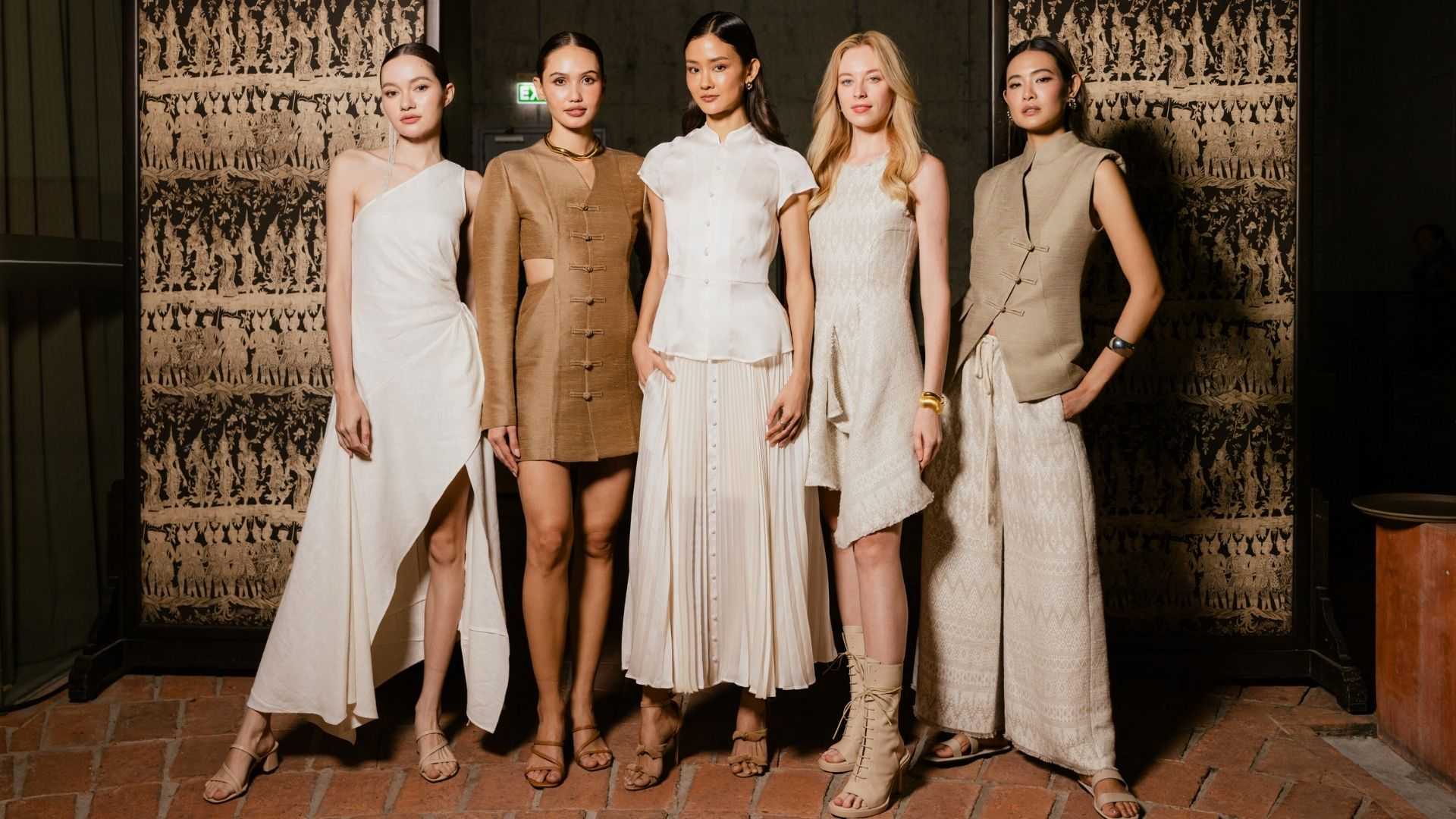
Historically, Jim Thompson’s clothing sat comfortably close to place. Even at its most polished, there was always an implicit sense of origin. This collection steps away from that instinct. The silhouettes are global, the palette subdued, the mood distinctly urban. Neutrals dominate. Stone, sand, chalk, softened greys. The occasional blue arrives not as decoration, but as punctuation.
These are clothes that do not announce where they come from. They announce how they are constructed.
What makes the collaboration work is how little compromise it contains, and that is where Be Inthavong’s role becomes crucial. As Jim Thompson’s Creative Director, his influence is felt not through visible authorship, but through restraint. The fabrics remain deeply rooted in the brand’s DNA – silks, linens, jacquards – yet they are released from the obligation to perform heritage. Instead of guarding tradition, Inthavong allows it to evolve through use.

That distinction matters. This is creative leadership at its most confident. Knowing when to step back. Knowing when to trust a designer’s vision. Knowing that brand integrity is strengthened not by control, but by clarity. Without that internal alignment, this collaboration would have remained decorative. With it, Jim Thompson moves credibly into contemporary fashion thinking.
Lisa Von Tang’s design language remains fully intact. Architectural restraint. Quiet sensuality. A reliance on structure, drape and balance rather than ornament. Mandarin collars, Chinese button loops and chinoiserie references appear, but they are integrated rather than showcased. They function as design vocabulary, not cultural signalling.
Even when heritage is present, it is filtered through modern proportion. Raw edges sit against fluid skirts. Tailored vests are paired with pleated, semi-sheer movement. Linen behaves with unexpected lightness. Silk appears not as indulgence, but as structure.
There is confidence here in letting the clothes do the work.
This matters because it signals a shift in ambition. Jim Thompson is no longer positioning fashion as an extension of its textile legacy. It is testing whether it can operate within contemporary fashion discourse on equal terms. That requires internal alignment as much as external vision.
The woman this collection speaks to is not the brand’s traditional customer. She is younger, urban, and already fluent in independent designer labels. She values versatility over spectacle, longevity over novelty, and returns to the same pieces repeatedly, adjusting how they are worn rather than replacing them. These are garments designed to live in a real wardrobe, not simply perform in a lookbook or runway moment.
That the collection spans just 14 pieces feels intentional. It reads as a considered edit rather than an expansive statement. Standout silhouettes are allowed to breathe. Nothing feels over-designed. Nothing begs for attention.
Perhaps most telling is how quietly this shift has been executed. There is no over-explaining, no heavy-handed repositioning rhetoric. The collaboration simply exists, fully formed, and asks to be read on its own terms.

Why this matters now Heritage brands are increasingly trapped between reverence and reinvention. Explain too much and they feel dated. Discard the past and they lose credibility. Jim Thompson’s answer is quieter, and more intelligent. By allowing design to lead and heritage to support rather than perform, the brand steps out of protection mode and into authorship. The signal is clear. This is not about modernising heritage. It is about trusting it enough to let it change. This collection does not ask to be understood through history. It asks to be judged on merit.